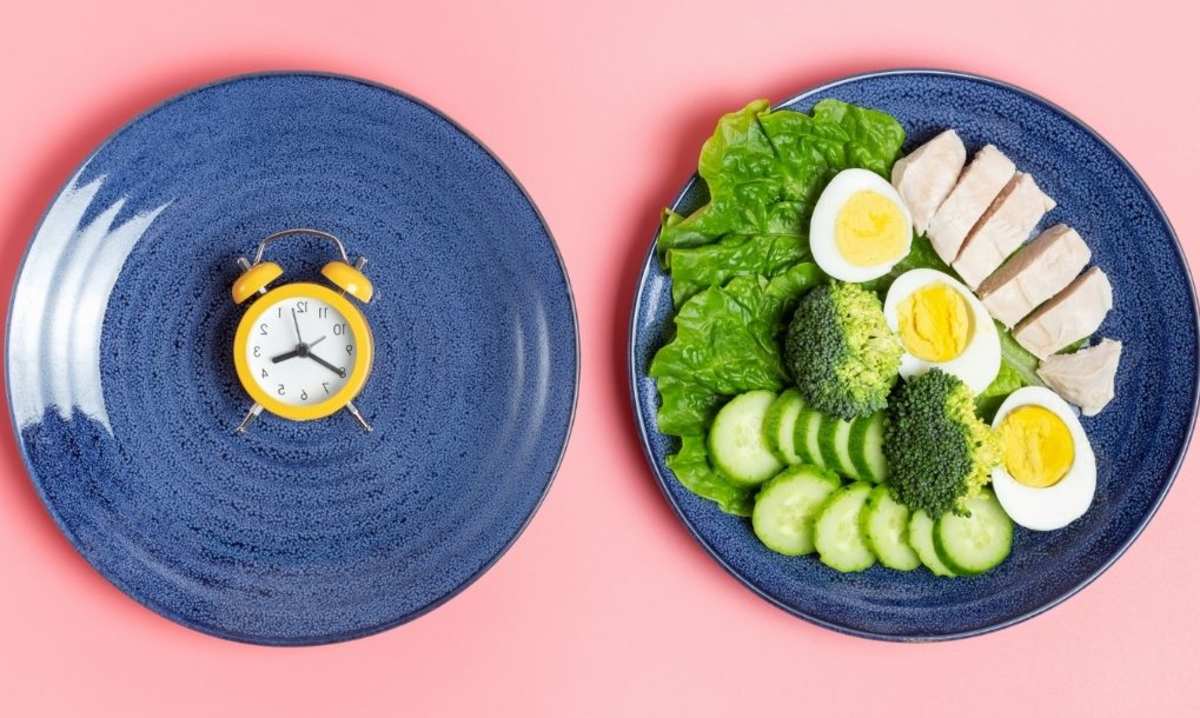
The word “fat” often carries negative associations, and it's usually something we aim to eliminate from our bodies. But what if we took a step back and reframed how we think about fat? What if instead of seeing it as a number on the scale, we began to understand it as something much more functional—like time?
That’s right: fat is not just extra weight. It’s your body’s way of storing energy, energy that can be used when you need it most. In essence, body fat represents stored time—time your body can rely on when food isn’t available. This shift in perspective, inspired by Oman Morales' concept from his book *"You’re Fat, Stop Eating"*, encourages us to rethink our approach to health, nutrition, and even fasting.
Fat: The Body’s Survival Mechanism
To appreciate fat as “stored time,” it helps to understand its role in human survival. Thousands of years ago, we didn’t have access to food around the clock. There were cycles of feast and famine, and our bodies adapted to these changes by storing excess nutrients as fat. This fat would then be used when food was scarce.
So, fat isn’t just there for aesthetics—it’s essential for survival. When we stop eating, our body turns to fat as its primary energy source. It converts stored fat into usable energy, enabling us to function and stay alive during periods of fasting or food scarcity.
Think of fat as a built-in energy reserve, a safety net. It allows us to tap into stored energy when needed—giving us the “time” to survive and keep going, even when we’re not consuming food.
How Fat Stores Energy (Or Time)
Fat is a dense form of energy. Each gram of fat stores nine calories, more than twice the energy found in carbohydrates or protein. This makes fat an incredibly efficient fuel source, capable of sustaining us for extended periods.
When you fast, your body enters a state called **ketosis**, where fat is broken down into molecules called ketones that fuel your brain and other vital organs. This process takes some time to kick in but is remarkably effective once your body adapts.
Now, let’s reframe this in terms of time: imagine your fat as a supply of energy “hours” or “days” that your body has saved for later. The more fat you carry, the more time you have in reserve. For example, someone with a higher body fat percentage can go longer without food, because they have more stored energy to draw from.
Fasting: Turning Fat into Fuel
One of the most healthy, effective and natural ways to burn fat is through fasting. Fasting triggers your body to stop relying on the food you eat and to start using the energy it has already stored—body fat.
Intermittent fasting, for example, incorporates periods where you don’t eat, allowing your body to switch into fat-burning mode. This is a natural, healthy process that can lead to improved energy levels, better focus, enhanced longevity, and even weight management.
Rather than seeing fasting as deprivation, think of it as an opportunity to use the “time” your body has already stored. You’re simply tapping into the fat reserves you’ve built up, allowing your body to work efficiently with the resources it has.
A Healthier Perspective on Fat
By seeing fat as stored time, you can reduce the stress associated with the number on the scale and shift your focus to managing your body’s energy more effectively. This mindset change removes the negativity tied to fat and replaces it with a sense of purpose—your body’s fat stores are there to keep you going when you need them.
Fat isn’t the enemy—it’s a resource. The key is learning how to use it wisely. Practices like fasting, combined with mindful eating habits, can help your body maintain a healthy balance, burn stored fat, and keep your energy levels stable.
Conclusion: Fat as a Tool for Longevity
When we stop seeing fat solely as a marker of excess weight and start recognizing it as stored energy—stored time—we develop a healthier relationship with our bodies. This perspective allows us to approach health in a balanced way, one where we understand the role fat plays in keeping us alive during lean times.
So next time you think about fat, don’t view it as a problem to be solved. Instead, think of it as a tool—something your body uses to manage energy and keep you healthy. With this mindset, you can better embrace practices like fasting and make informed choices that support your well-being, health, and longevity.
By rethinking fat as time, you’ll be more empowered to live a healthier, balanced life.